Natural Hair Masks You Can Make at Home
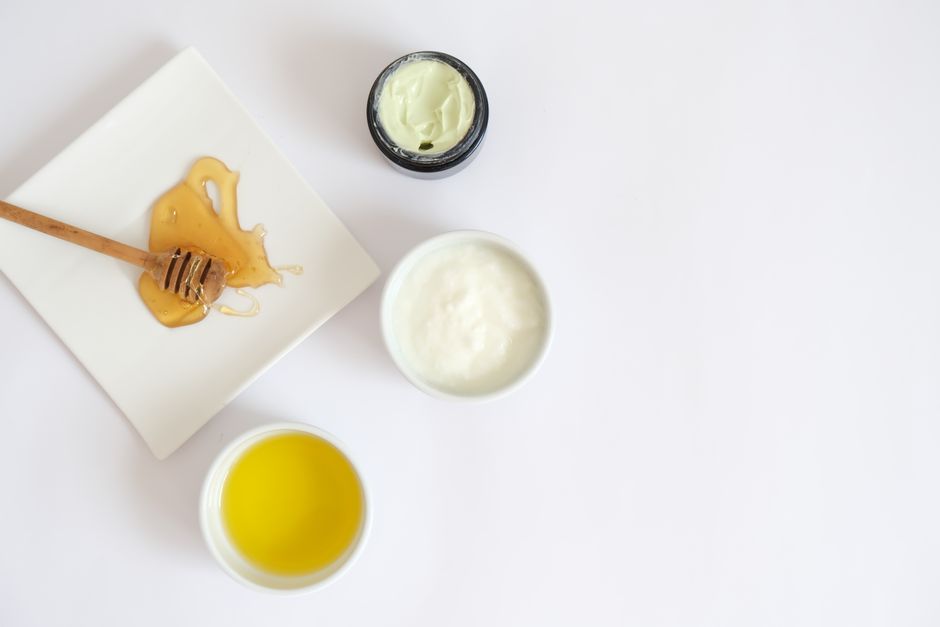
Natural hair masks have become a popular topic among those looking to simplify their hair care routines. Many people are exploring homemade options using common kitchen ingredients such as avocado, honey, and coconut oil. These ingredients are often chosen for their nourishing properties and availability.
One reason for the interest in DIY hair masks is the desire to avoid harsh chemicals found in some commercial products. By making masks at home, individuals can control what goes into their hair treatments. This approach can also be cost-effective, as many ingredients are already on hand.
This article provides an overview of natural hair masks, including common ingredients, preparation methods, and application techniques. It is intended for informational purposes and does not replace professional advice. Results can vary based on hair type, condition, and other factors.
Understanding Hair Structure and Damage
Hair is primarily made of a protein called keratin. Each hair strand consists of three layers: the cuticle (outer protective layer), the cortex (middle layer), and the medulla (inner core). Damage often occurs when the cuticle becomes rough or lifted, leading to dryness, breakage, and dullness. Common causes include heat styling, chemical treatments, environmental exposure, and mechanical stress from brushing or washing.
When the cuticle is compromised, moisture can escape, and hair becomes more prone to tangling and snapping. The cortex, which contains the hair’s pigment and structural proteins, can also be affected by chemical processes. Understanding these layers helps explain why certain ingredients may be used in hair masks to support the hair’s appearance and manageability.
Natural ingredients like avocado, honey, and coconut oil are often incorporated into masks because they contain components that can temporarily coat the hair shaft, helping to smooth the cuticle and reduce friction. They may also provide moisture, which can improve the feel and look of hair. However, it’s important to note that hair is not a living tissue, so any effects are cosmetic and temporary.
Common Ingredients and Their Properties
Several natural ingredients are frequently used in DIY hair masks. Each brings different properties that may benefit hair in various ways. Below is an overview of some popular options.
Avocado
Avocado is rich in healthy fats, vitamins (such as vitamin E and B vitamins), and minerals. When mashed and applied to hair, it can provide moisture and may help improve softness. The oils in avocado can also add shine. It is often used in masks for dry or damaged hair.
Honey
Honey is a humectant, meaning it attracts and retains moisture. This can help hair feel more hydrated. It also has antibacterial properties that may support scalp health. Honey can be sticky, so it is usually mixed with other ingredients like oils or yogurt to make application easier.
Coconut Oil
Coconut oil is known for its ability to penetrate the hair shaft, reducing protein loss during washing. It can help moisturize and may protect hair from damage. It is solid at room temperature but melts easily. Coconut oil is a common base for many hair masks.
Other Ingredients
Other ingredients often used include:
- Bananas: rich in potassium and vitamins, can soften hair.
- Olive oil: provides moisture and helps with detangling.
- Eggs: contain protein, which can temporarily strengthen hair.
- Yogurt: contains lactic acid, which may help exfoliate the scalp.
- Aloe vera: soothing and moisturizing for scalp and hair.
These ingredients can be combined in various ways to create masks tailored to different hair needs. However, individual results may vary, and some ingredients may not work for everyone.
How to Make and Apply a Basic Hair Mask
Creating a hair mask at home is a straightforward process. The basic steps involve selecting ingredients, mixing them, applying to hair, and rinsing thoroughly. Below is a general method that can be adapted.
- Choose your ingredients: Select ingredients based on your hair type and concerns. For example, for dry hair, avocado and honey are good choices; for dull hair, coconut oil and banana may help.
- Prepare the ingredients: Mash or blend solid ingredients like avocado or banana until smooth. Mix with liquid ingredients like honey or oils.
- Apply to hair: Start with damp, clean hair. Apply the mask from roots to tips, focusing on damaged areas. Use your fingers or a wide-tooth comb to distribute evenly.
- Leave on: Allow the mask to sit for 15-30 minutes. You can cover with a shower cap or towel to keep it warm.
- Rinse: Rinse thoroughly with warm water. You may need to shampoo lightly to remove all residue, especially if using oils.
It’s important to patch-test any new ingredient on a small area of skin before applying to your entire head, to check for allergic reactions. Also, avoid using ingredients that you are allergic to.
Tips for Safe and Effective Use
While natural hair masks are generally considered safe for most people, there are some precautions to keep in mind. Always use fresh ingredients and avoid leaving masks on longer than recommended. Overuse of certain ingredients, like protein from eggs, can sometimes lead to stiffness, so moderation is key.
Frequency of application depends on hair type and condition. Some may benefit from a weekly mask, while others may need less frequent use. It’s also important to maintain a balanced hair care routine that includes gentle cleansing and conditioning.
If you have a scalp condition or severe hair damage, consult a dermatologist or trichologist before trying home remedies. Natural does not always mean safe for everyone, and individual sensitivities can occur.
“Natural ingredients can be a part of hair care, but they are not a substitute for professional treatment when needed.”
Potential Benefits and Limitations
DIY hair masks may offer several potential benefits. They can be cost-effective, as many ingredients are inexpensive and readily available. They allow for customization based on personal preferences and hair needs. Additionally, they avoid certain synthetic chemicals that some individuals prefer to steer clear of.
However, there are limitations. The effects are often temporary and cosmetic. They do not repair hair permanently or treat underlying health issues. Results can vary widely depending on hair type, water quality, and other factors. Some ingredients may cause allergic reactions or weigh hair down if not rinsed properly.
It’s also worth noting that the effectiveness of natural ingredients is not always supported by robust scientific evidence. While some studies suggest benefits, more research is needed. Therefore, it’s best to approach DIY hair masks as a supplementary practice rather than a guaranteed solution.
In conclusion, natural hair masks made with ingredients like avocado, honey, and coconut oil can be a enjoyable and economical addition to a hair care routine. They offer a way to experiment with different ingredients and may provide temporary improvements in hair’s appearance and feel. As with any hair care practice, individual results will vary, and it’s important to prioritize safety and realistic expectations.