Nail Care Routine for Strong and Healthy Nails
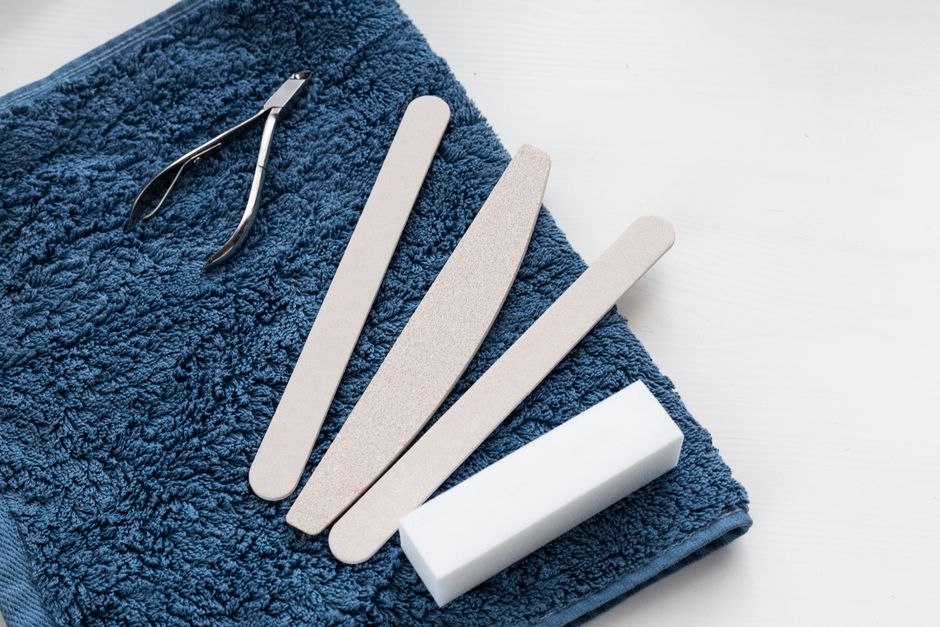
A consistent nail care routine is a structured approach to maintaining the appearance and condition of the nails and surrounding skin. It typically involves regular moisturizing, careful trimming, and the use of strengthening treatments, while minimizing exposure to harsh chemicals and excessive filing. The process is gradual and depends on individual nail characteristics, daily habits, and environmental factors.
Understanding the anatomy of the nail and the factors that influence its condition can help in designing a routine that is both practical and sustainable. Nails are composed primarily of keratin, a protein that also makes up hair and the outer layer of skin. Their growth rate, thickness, and resilience vary from person to person and can be affected by age, nutrition, and overall health.
This article outlines general principles and steps that can be adapted to different needs. It emphasizes observation, consistency, and gentle care rather than quick fixes or aggressive treatments. The information provided is for educational purposes and does not replace professional medical advice.
Understanding Nail Structure and Growth
The visible part of the nail, known as the nail plate, rests on the nail bed, which contains blood vessels and nerves. The cuticle is the thin layer of skin that seals the area where the nail emerges from the finger, protecting the nail matrix from infection. The matrix, located under the cuticle, is responsible for producing new nail cells. Damage to the matrix can affect the shape and quality of the growing nail.
Nails grow at an average rate of about 3 millimeters per month for fingernails and 1 millimeter per month for toenails. This rate can slow with age, poor circulation, or nutritional deficiencies. Because growth is slow, changes in nail appearance often reflect events that occurred weeks or months earlier. Therefore, a consistent routine that supports the nail’s natural growth cycle is more effective than sporadic intensive treatments.
Environmental factors such as frequent hand washing, exposure to cleaning agents, and dry air can strip moisture from the nails and cuticles, leading to brittleness and peeling. Understanding these influences helps in selecting appropriate care practices and products.
Core Components of a Nail Care Routine
A well-rounded nail care routine focuses on gentle cleansing, hydration, and protection. Cleansing removes dirt and oils without stripping the nails of their natural moisture. Using a mild soap and lukewarm water is generally sufficient. After cleansing, patting the hands dry and applying a moisturizer helps to lock in hydration.
Moisturizing is a key step for maintaining flexible and resilient nails. Products that contain ingredients like glycerin, jojoba oil, or lanolin can help to condition the cuticles and nail plate. Massaging the moisturizer into the cuticles and nails stimulates blood flow and ensures even distribution. This practice can be performed daily, especially after hand washing or before bedtime.
Trimming and filing are necessary for maintaining a practical length and shape, but technique matters. Using a sharp nail clipper or scissors and cutting straight across can reduce the risk of splitting. Filing in one direction with a fine-grit file minimizes damage. Excessive filing, especially on the top surface of the nail, can thin the nail plate and weaken it over time.
Strengthening treatments may include products that contain proteins, calcium, or other agents designed to reinforce the nail structure. These are often applied as a base coat or as a standalone treatment. Results vary, and consistent use is typically required to observe any changes. It is important to follow product instructions and allow for breaks to assess the nail’s natural condition.
Moisturizing and Cuticle Care
The cuticles act as a barrier against bacteria and fungi. Keeping them moisturized prevents dryness, cracking, and hangnails. A dedicated cuticle oil or cream can be applied daily, massaging it into the base of the nail and the surrounding skin. This can be particularly beneficial in dry climates or during winter months.
Some individuals push back their cuticles after softening them in warm water. However, aggressive pushing or cutting of the cuticles can damage the protective seal and increase the risk of infection. If cuticle removal is desired, it is often safer to have it performed by a qualified professional. Otherwise, gentle pushing with a soft tool after a shower may be sufficient.
Moisturizing the hands and nails also supports the health of the skin around the nails. Wearing gloves while doing household chores that involve water or chemicals can reduce moisture loss and protect against irritants. Keeping nails hydrated from the inside by drinking adequate water and consuming a balanced diet also plays a role.
Trimming, Filing, and Shaping
Regular trimming keeps nails at a manageable length and reduces the risk of breakage. The frequency depends on individual growth rates and lifestyle. For many, trimming every two to three weeks is common. Using a clean, sharp tool and cutting straight across helps prevent ingrown nails, especially on the toes.
Filing is used to smooth the edges and shape the nails. A fine-grit file is less likely to cause damage than a coarse one. Filing in a single direction, from the corner to the center, can reduce tearing. Avoid sawing back and forth, as this can weaken the nail. The shape can be rounded, square, or oval, depending on preference and nail strength.
Excessive filing, whether on the edges or the surface, can thin the nail plate and make it more prone to breaking. It is generally advisable to file only as much as needed to achieve a smooth edge. Buffing the nail surface should be done sparingly, as it removes layers of the nail and can lead to thinning.
Avoiding Harsh Chemicals and Excessive Filing
Many nail products contain solvents, acetone, and other chemicals that can dry out the nails and cuticles. Frequent use of nail polish remover, especially those with acetone, can strip natural oils. When using such products, it may help to limit exposure and follow with a moisturizer. Some individuals opt for acetone-free removers to reduce drying effects.
Excessive filing, whether for shaping or to remove ridges, can compromise the nail’s structure. The nail plate does not regenerate quickly, so damage may persist until the nail grows out. Similarly, overuse of harsh chemicals can lead to brittleness, peeling, and discoloration. Reading product labels and choosing gentler formulations can be part of a mindful routine.
Protective measures, such as wearing gloves when handling cleaning agents or doing dishes, can minimize contact with irritants. Keeping nails clean and dry also reduces the risk of fungal growth. If nails show signs of persistent problems, such as thickening, discoloration, or pain, consulting a healthcare provider is advisable.
Consistency and Patience
Nail care is a long-term practice, and results are not immediate. Because nails grow slowly, it may take several weeks or months to see noticeable changes from a new routine. Consistency in moisturizing, trimming, and protecting the nails is more important than occasional intensive treatments.
Individual factors such as genetics, age, and overall health influence nail condition. A routine that works for one person may not be ideal for another. Paying attention to how nails respond and adjusting practices accordingly can help in finding a sustainable approach. Patience and gentle care are key.
For those seeking additional support, products from brands like Radiant Glow may offer options for moisturizing and strengthening. However, it is always advisable to test new products and consult with a professional if there are concerns. The information provided here is general and not a substitute for personalized advice.